Here at Ideal, our technical prowess allows us to recreate looks effortlessly (go on, try us). In our industry, we have a vast and rich pool of patterns to choose from. Listing them all would be overwhelming, but we wanted to touch on some of the most common patterns used in fabrics today, many of which have origins dating back thousands of year.

Argyle
Originating in Scotland in the 17th Century, this classic pattern is characterized by intercrossing diagonal lines overlaying diamonds. Often considered “preppy”, the most common place you’ll find the Argyle pattern is on socks and sweaters but it can also be found on home decor fabric.
Chevron
The word Chevron first appears in the late 14th century and is of French (and Latin) origin, but the pattern itself dates back to 1800 BC Greece. Characterized by a repeating V-shape that create a zig-zag pattern, this pattern is still common on fabric today. The fact that it has been used for over three millennia proves that the Chevron is literally a classic.

Gingham
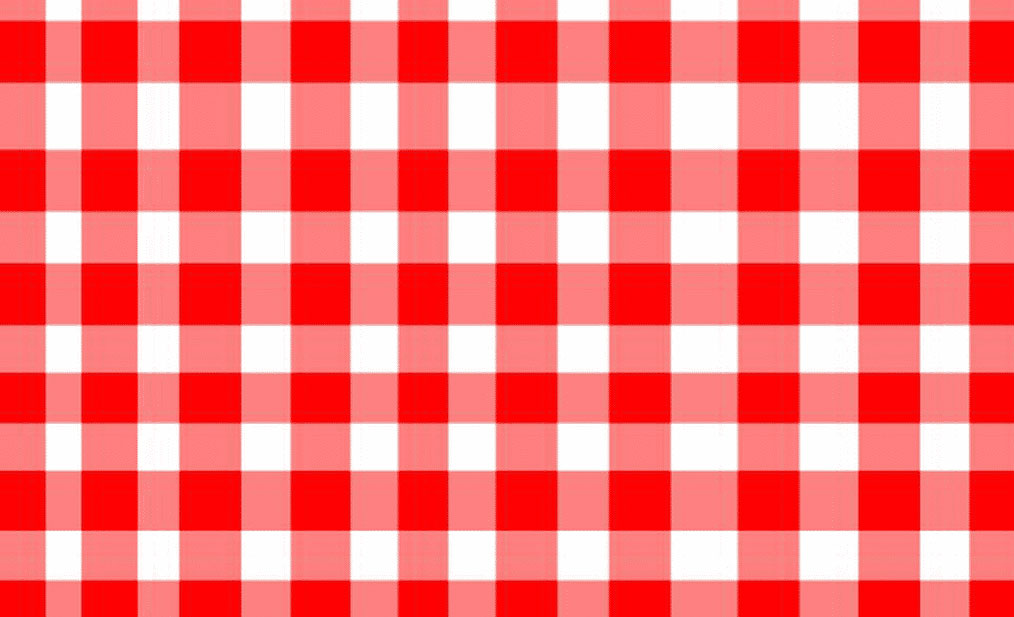
Defined by repeating squares – one white, one colour, and one a blend of the two, the Gingham pattern is often associated with a “summery”, country aesthetic, giving off a warm-weather vibe or inducing flashbacks of eating at a greasy spoon or a bee-infested park.
Greek Key
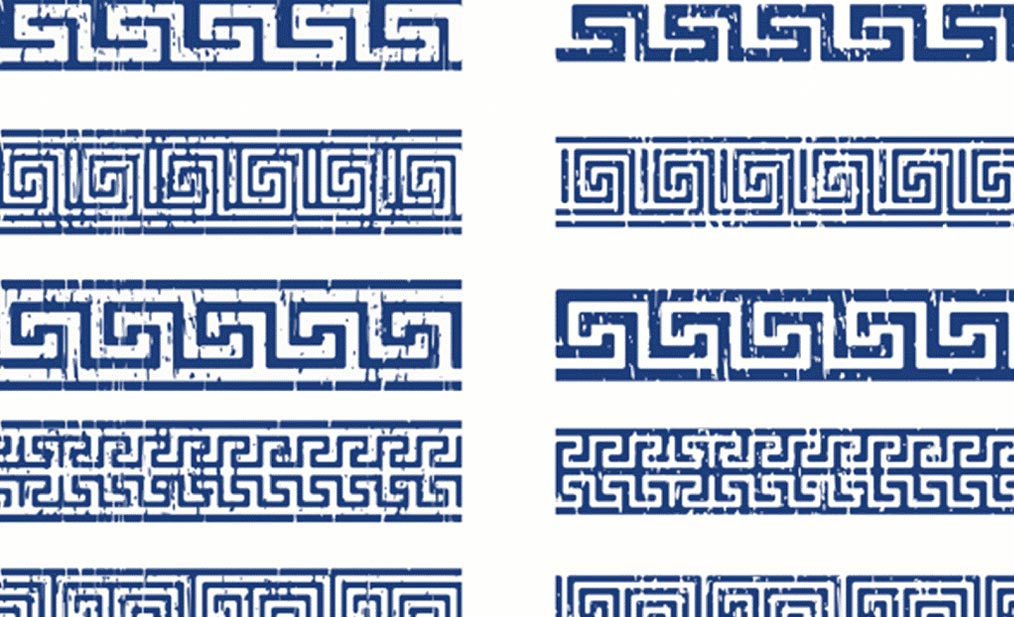
Also known as a meander or “meandros”, this interlocking pattern is a repeated motif created using a continuous line. As the name suggests, the origin of this pattern is Greece (shocking, we know), and was commonly used in architecture but has made its way to household applications like glassware and fabrics.
Herringbone
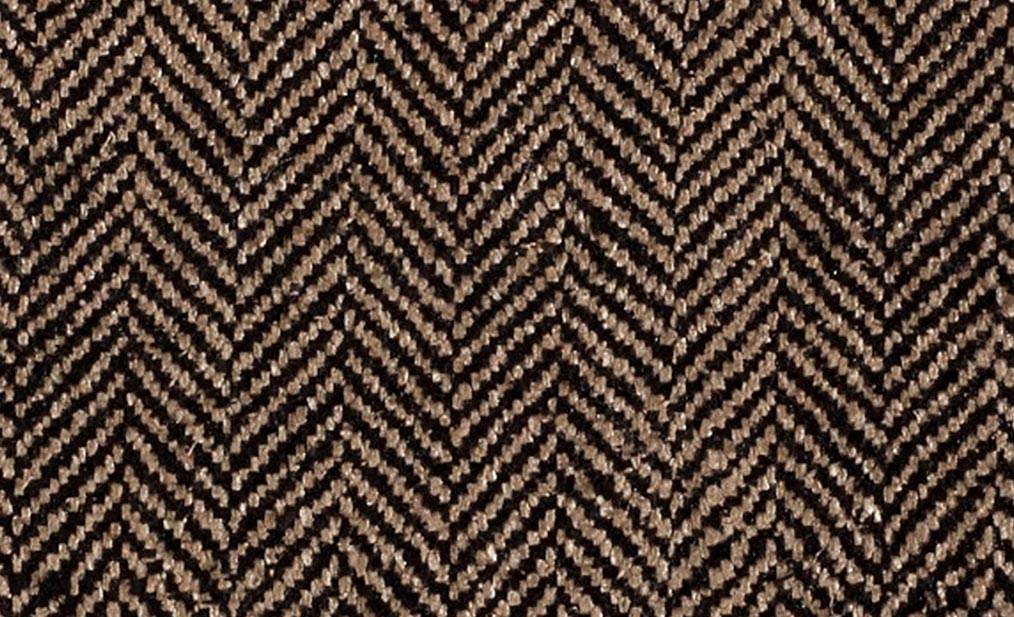
Named after its resemblance to the skeleton of a herring, this V-shaped pattern is similar to the Chevron pattern, the difference being the break at reversal which makes it resemble a broken zigzag. Herringbone has Celtic roots dating back to 600 BC and is commonly found in fabric like tweeds and twill.
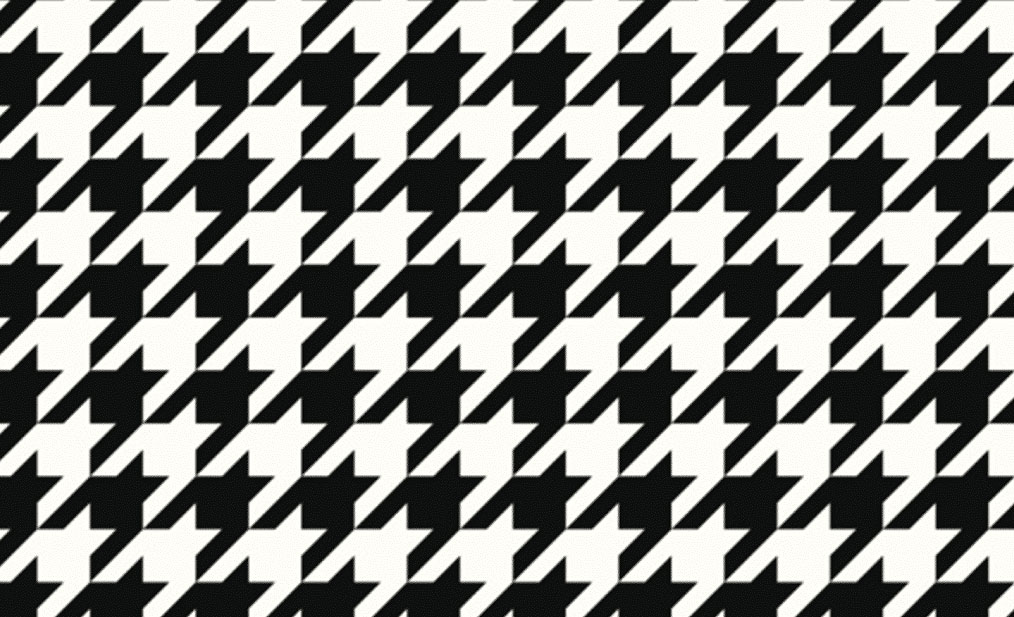
Houndstooth
A pattern you’ve probably seen adoring everything from home decor to haute couture collections, the Houndstooth is a common textile pattern characterized by broken checks or abstract four-pointed shapes. The oldest occurrence of this pattern was in Sweden between 360 & 100 BC but contemporary examples of Houndstooth originate from the Scottish Lowlands.

Paisley
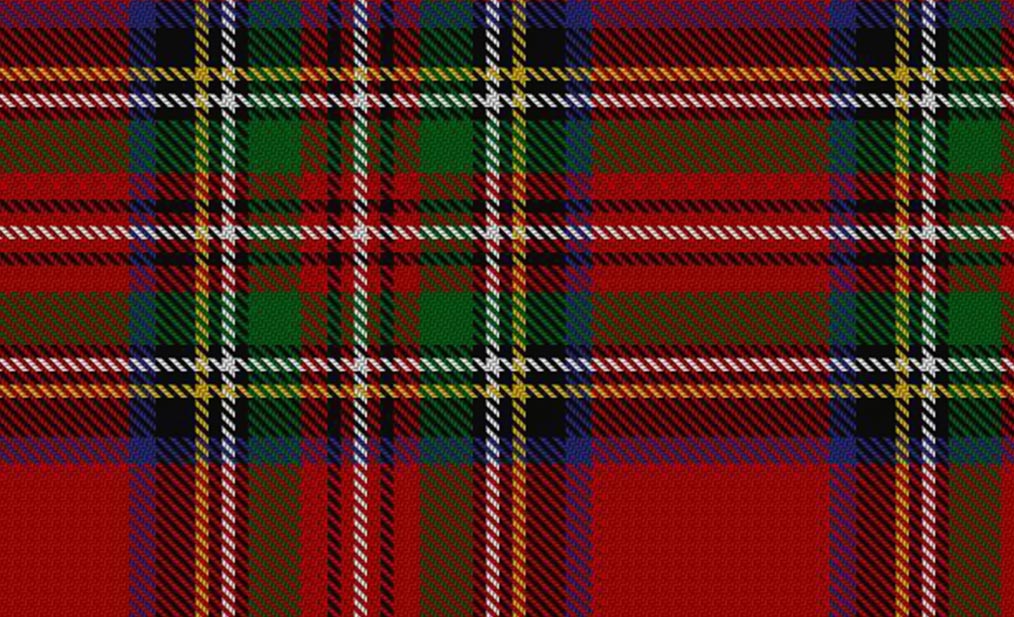
Another pattern on this list that has roots in Scotland, the Tartan is made with alternating bands of coloured threads woven warp and weft at right angles to each other. The plaid pattern can be found in thousands of variations today, from home décor to clothing and other avenues in design.
Tartan
Another pattern on this list that has roots in Scotland, the Tartan is made with alternating bands of coloured threads woven warp and weft at right angles to each other. The plaid pattern can be found in thousands of variations today and it can be found in numerous applications from home decor, clothes to design.